Automation demands safety beyond emergency stops
By Staff Report 1 October 1, 2026 2:53 pm IST
From retrofits on ageing fleets to cyber-resilient control systems, Schmersal outlines how Indian OEMs can get ahead of tightening global safety and export regulations.
As mining and quarrying operations automate, where are the biggest gaps between what Indian buyers currently specify for machine safety and what global best practice demands?
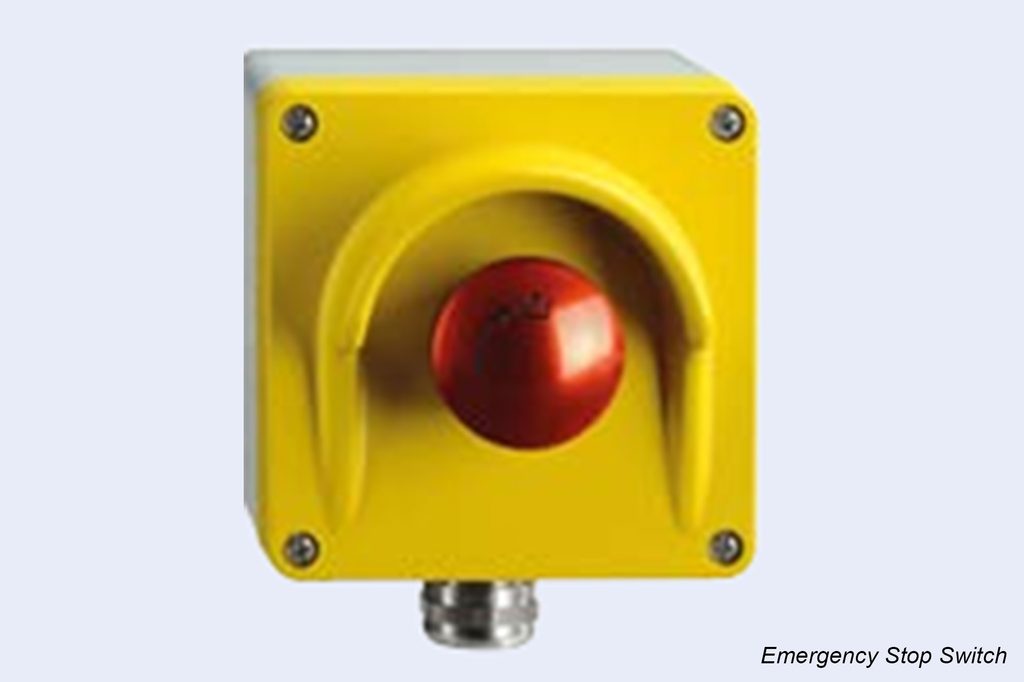
There’s still a real gap. Many Indian buyers think of machine safety mainly in terms of basic emergency stops and physical guarding, and stop there. Global best practice has moved well beyond that. It now means risk-based safety architectures, defined performance levels, built-in diagnostics and validated functional safety, not just a switch that cuts power when something goes wrong. At Schmersal, we work with buyers to close that gap through safety consulting and risk assessments, backed by interlock switches, safety controllers and relays engineered to international standards. The goal isn’t compliance on paper; it’s safety built into the machine from the start.
What role do safety interlocks and non-contact sensors play as OEMs move toward semi-autonomous or remotely operated mining and construction equipment?
Interlocks and non-contact sensors are becoming central, not optional, as mining and construction equipment moves toward semi-autonomous and remote operation. Once you take the operator out of the loop, or move them farther away, the machine must reliably sense when a guard door opens, or someone enters a hazardous zone, without the wear that mechanical switches eventually suffer. We offer RSS and RF non-contact safety sensors alongside electronic interlocks and safety PLC integration, so equipment can continuously and safely monitor these access points, even as automation increases and direct human oversight decreases.
How is the upcoming Machinery Regulation and evolving global safety standards likely to change specification requirements for Indian equipment manufacturers exporting abroad?
The direction is fairly clear: as regulations such as the EU’s Machinery Regulation evolve, and global safety standards tighten more broadly, specification requirements will only get stricter. Indian OEMs exporting to Europe and other regulated markets will need to show far more — stronger documentation, validated safety functions, and increasingly, cybersecurity considerations alongside traditional functional safety compliance. We support manufacturers through regulatory guidance, machine safety engineering, CE assistance and certified safety components, so they can meet these requirements without slowing down export timelines. Getting ahead of this now, rather than reacting later, is really the smarter path.
What retrofit opportunities exist for upgrading machine safety on India’s existing fleet of ageing construction and mining equipment, rather than only on new machines?
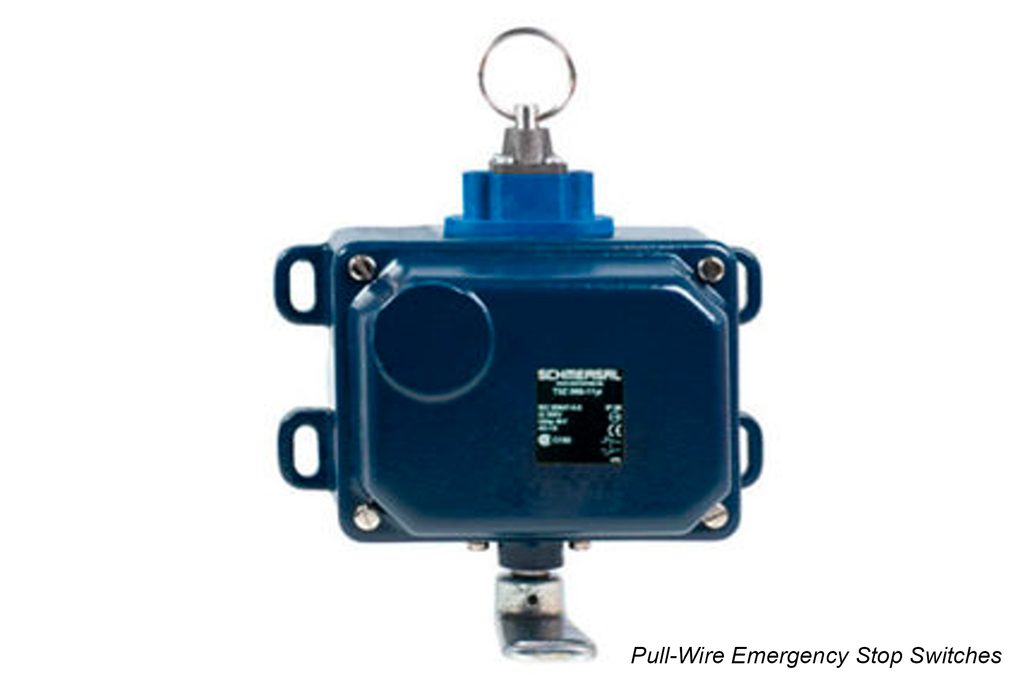
There’s a significant opportunity here that often gets overlooked because everyone focuses on new machines. India has a large fleet of ageing construction and mining equipment, and much of it can be brought up to modern safety standards without outright replacement. Upgrading guarding, emergency stop systems, safety monitoring and access control on existing machines is often far more practical and cost-effective than a full replacement. Our retrofit packages are built around safety switches, pull-wire emergency stop systems, safety relays and modular safety controllers, designed specifically to work with older fleets and bring them closer to current safety expectations.
How do you see Cyber Resilience Act-type requirements intersecting with machine safety as equipment gets more connected and IoT-enabled?
As equipment becomes more connected and IoT-enabled, the line between cybersecurity and machine safety is blurring. A cyber vulnerability isn’t just a data problem anymore; it can translate directly into a physical safety risk if someone interferes with a machine’s control systems. Requirements like the Cyber Resilience Act reflect that shift, and going forward, compliance will need to address machine safety and cyber resilience together, not as separate checklists. We focus on secure safety architectures and network-capable safety systems, helping manufacturers bring safety and security into one coherent machine control concept rather than treating them apart.
What is a common but costly safety-compliance mistake Indian OEMs or site operators make when integrating safety switching systems?
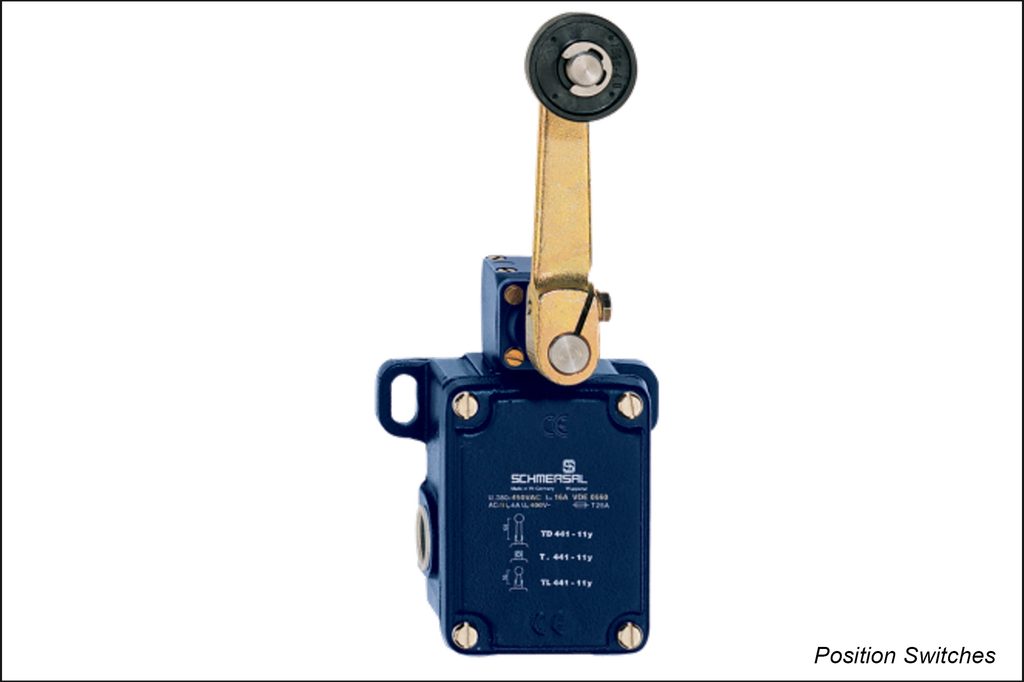
One mistake I see fairly often is installing safety switches without a proper risk assessment first, or without validating the complete safety circuit once everything’s in place. It can look compliant on the surface, but the underlying safety function often hasn’t actually been verified, which leads to non-compliance down the line, or worse, unsafe workarounds on the shop floor. We close that gap with end-to-end support, including risk assessment, safety design, circuit validation, training, and certified components. Hence, the safety system that goes in is one that’s genuinely been proven to work, not just installed and assumed to.