Coal gasification could cut India’s import bill by ₹1.5 lakh crore, says Coal Secretary
By Staff Report 1 November 6, 2026 3:00 pm IST
Coal gasification projects could help India save around ₹1.5 lakh crore in foreign exchange over five to seven years through import substitution.
Coal gasification projects have the potential to save India approximately ₹1.5 lakh crore in foreign exchange over the next five to seven years by replacing imports, Coal Ministry Secretary Vikram Dev Dutt said on 5 November 2026.
Speaking at the fourth Conference of Mining Ministers in South Goa, Dutt said the Centre had committed ₹46,000 crore in financial incentives under two schemes to promote coal gasification.
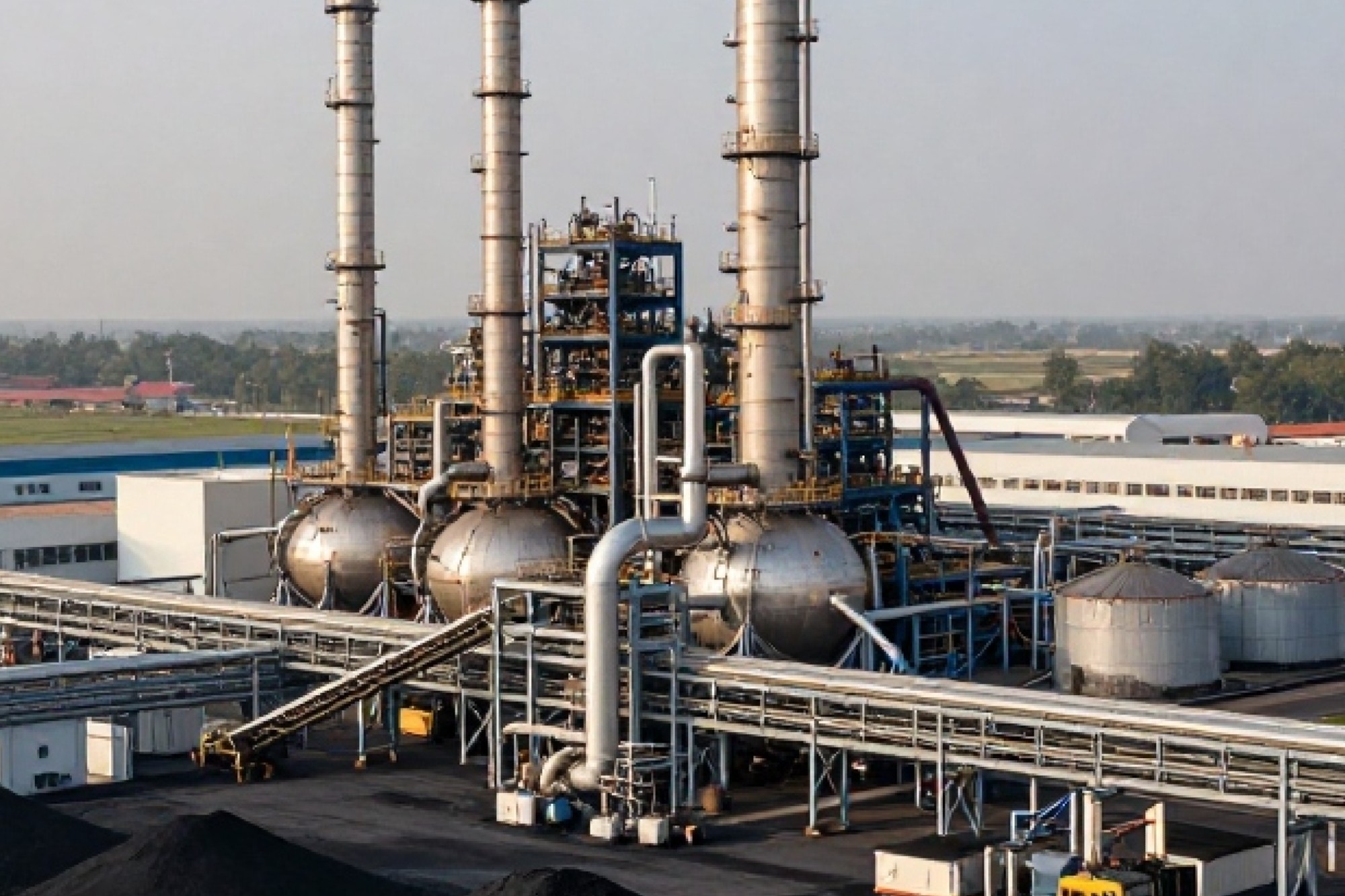
Coal gasification converts coal into synthetic gas (syngas), which can be used to manufacture several products that India currently imports in significant quantities. These include methanol, ethanol, ammonium nitrate and raw materials for direct reduced iron (DRI)-based steelmaking.
States urged to support investments
Dutt said coal gasification could contribute to industrial diversification and regional development. He urged coal-producing states to introduce supportive policies to attract investments and facilitate project implementation.
Odisha and Maharashtra have already introduced incentive policies, with project clusters emerging in Odisha’s Angul district and Maharashtra’s Chandrapur belt. He also called on coal-rich states such as Jharkhand and Chhattisgarh to develop investor-friendly frameworks.
Coal gasification projects require substantial initial capital as well as state-level support for water and electricity supply and taxation. Dutt said proactive measures by state governments would be important to facilitate investments. He added that gasification plants could generate employment in downstream industries, support skilled and semi-skilled workers and strengthen local supply chains.
Coal sector reforms and mine closure
Addressing broader coal sector reforms, Dutt said the commercial mining policy introduced in 2020 had removed restrictions on the end-use and sale of coal, enabling greater private sector participation.
Through 15 rounds of auctions, 137 mines have been allocated. Commercial and captive mines now account for around 20 per cent of India’s total coal production. The number of accredited agencies authorised to undertake mineral exploration has increased from 13 government agencies to 57, including 44 private agencies.
Dutt urged state governments to expedite land acquisition, public hearings, statutory clearances and other approvals required to operationalise auctioned coal blocks. Faster commencement of mining operations would enable states to receive royalties and other revenues earlier.
The Coal Ministry has identified 147 mines for scientific closure over three years, of which 43 have been completed. The closure process includes ecological restoration and repurposing of mined land based on local community requirements. The ministry has also launched a digital platform, SuVikalp, to support the assessment and repurposing of closed mine sites.
Dutt said the future of coal mining should focus on technological progress, productivity, transparency and environmentally responsible practices.
Source: PIB