Sponge iron sector grapples with squeezed margins amidst coal and power crisis
By Staff Report 1 October 10, 2026 6:44 pm IST
Surging thermal coal prices and regional electricity shortages are creating a formidable double-whammy for India’s sponge iron manufacturers, threatening production targets.
India’s sponge iron industry, a critical backbone of the country’s secondary steel manufacturing sector, is currently navigating a severe operational bottleneck. As of early October 2026, manufacturers are facing a debilitating “dual supply shock” characterized by steeply rising coal procurement costs and unpredictable regional power outages.
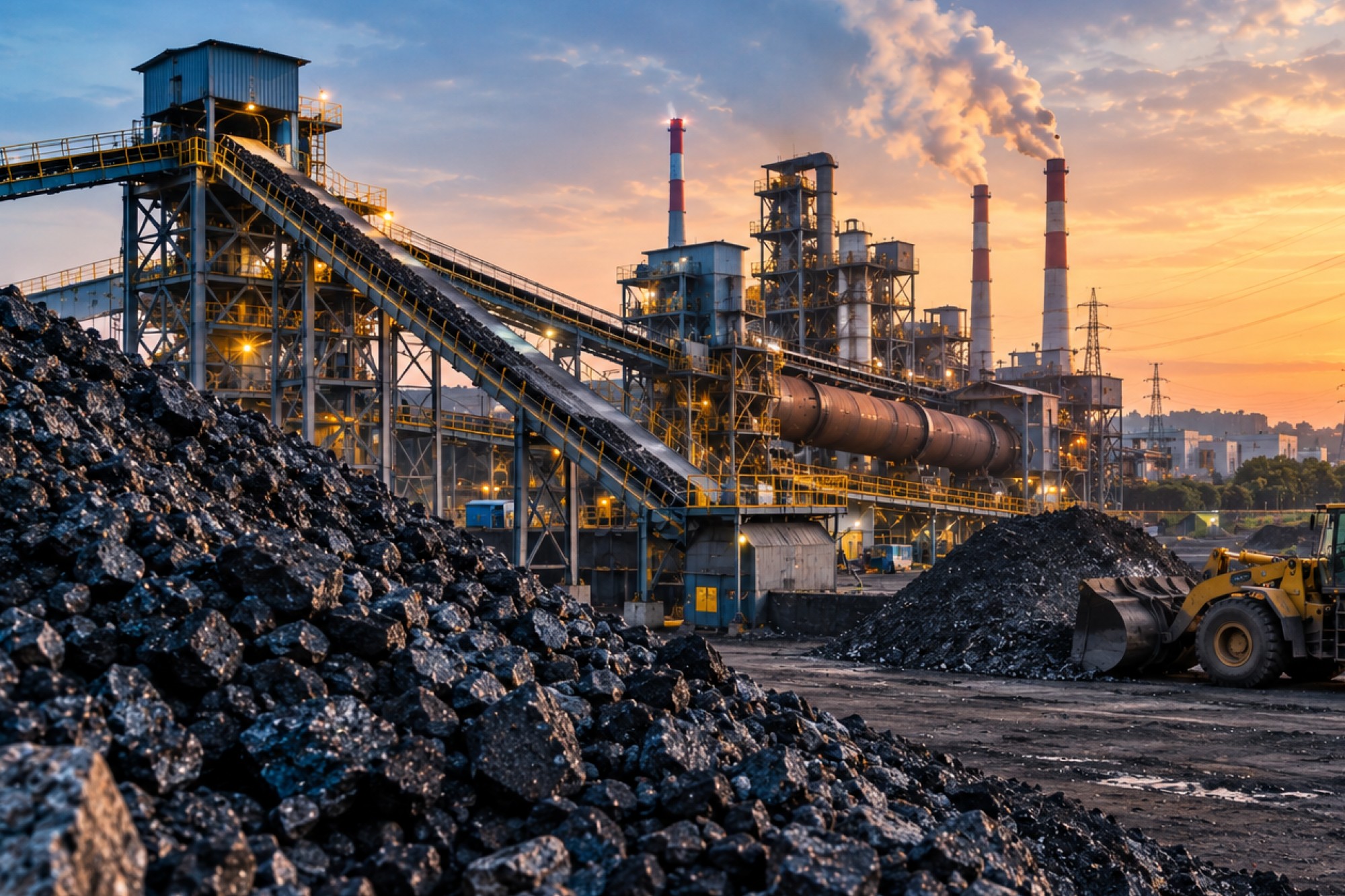
Sponge iron, or Direct Reduced Iron (DRI), is highly energy-intensive to produce. The conventional manufacturing process relies heavily on continuous heat generated by non-coking coal to strip oxygen from iron ore. Recently, the landed cost of suitable thermal coal has surged, placing immediate pressure on operating margins. For the largely fragmented and mid-sized operators that make up the bulk of India’s sponge iron sector, absorbing these escalating input costs is proving exceptionally difficult, especially when secondary steel prices have not risen proportionally to offset the expense.
Compounding the fuel cost crisis are the regional power cuts sweeping through key industrial corridors. The DRI process demands uninterrupted electricity to maintain kiln temperatures and ensure product consistency. Frequent power interruptions not only halt production but can also cause severe thermal shock to the rotary kilns, leading to costly equipment damage, prolonged downtime, and degraded ore quality.
Industry analysts warn that if this dual shock persists, it could lead to a temporary contraction in domestic sponge iron output. This, in turn, would tighten the supply of raw materials for electric arc furnaces and induction furnaces, potentially triggering a cascading inflationary effect across the domestic steel supply chain. Manufacturers are urgently petitioning for prioritized railway rakes for domestic coal transport and subsidized industrial power tariffs to weather the current storm.
Source: Industry Market Reports