Odisha identifies Gopalpur as hub for proposed rare-earth industrial corridor
By Staff Report 1 October 31, 2026 5:55 pm IST
Odisha is planning an integrated rare-earth corridor around Gopalpur, combining mineral extraction, processing and permanent-magnet manufacturing to develop its critical mineral value chain.
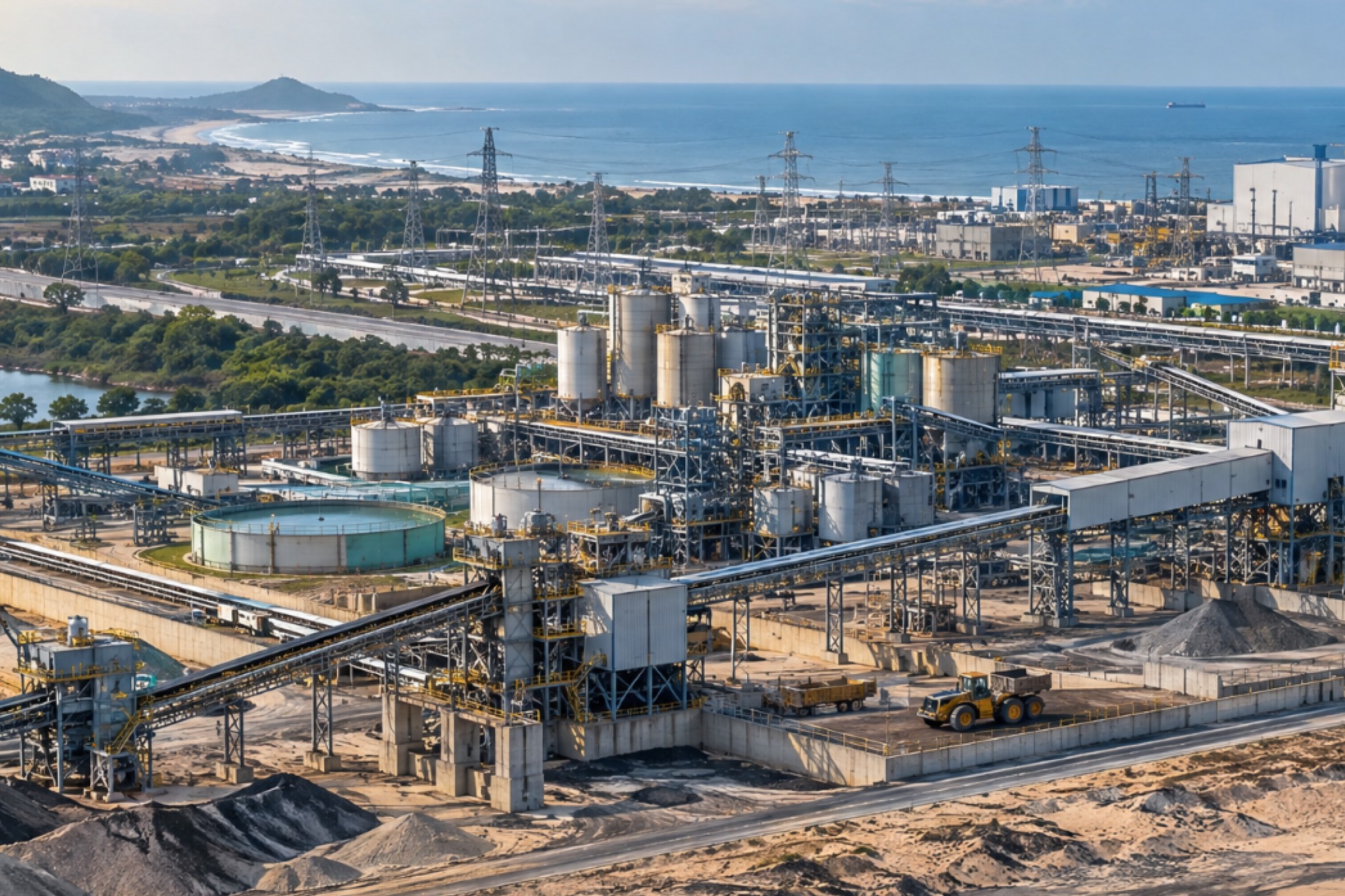
Odisha is planning to develop an integrated rare-earth corridor along its eastern coast, with Gopalpur identified as the proposed industrial hub. The project will cover mineral extraction, separation, rare-earth processing, metal production and permanent-magnet manufacturing.
The state has identified an area of 852 hectares for the proposed corridor, with an estimated raw-sand resource of 328 million tonnes and an anticipated deposit life of 50 years. Initial plans include processing six million tonnes per annum of run-of-mine material and around 416,000 tonnes of total heavy minerals.
Odisha accounts for around 30 per cent of India’s heavy-mineral beach-sand deposits, including approximately 24.4 per cent of ilmenite and 24 per cent of monazite resources.
Mineral resource development
Indian Rare Earths Limited operates its Odisha Sands Complex at Chatrapur in Ganjam district, where mineral sands are processed and rare-earth-bearing materials are produced.
The Odisha Mining Corporation (OMC) is pursuing the acquisition of two additional beach-sand prospects in the Krushnaprasad region. These cover the Bajrakot-Brahmapur stretch, spread across 520 hectares, and the Rushikulya-Bajrakot stretch, covering 1,185 hectares.
OMC has also identified a 1,980-hectare prospect in the Jagatsinghpur-Paradip region, where forest clearance for the proposed project is underway. The corporation has signed an agreement with the Atomic Minerals Directorate for Exploration and Research, Hyderabad, for critical mineral exploration.
Focus on downstream manufacturing
The proposed corridor aims to address the gap between mineral extraction and higher-value manufacturing by attracting rare-earth separation facilities, metal and alloy production units, and permanent-magnet manufacturers.
IREL’s existing facility at Odisha Sands Complex produces around 11,200 tonnes of rare-earth chloride annually. However, the material is transported to the company’s separation facility at Aluva in Kerala, while further conversion into metals, alloys and magnets takes place outside the Gopalpur cluster.
The Odisha government has approved five projects with proposed investments of approximately ₹26,450 crore and an estimated employment potential of 18,450 jobs.
Source: Business Standard